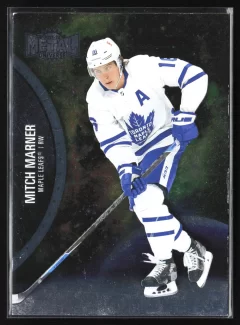
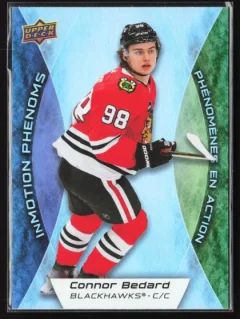
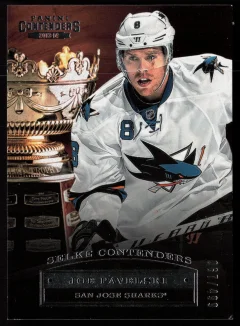
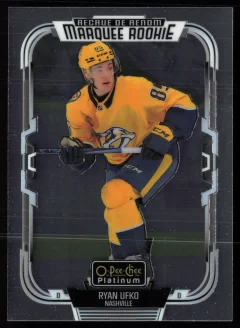
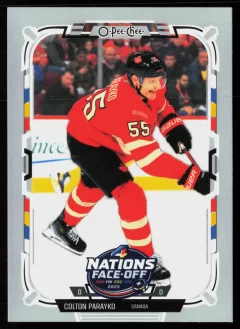
The sports card hobby has its own language. If you've ever been confused by terms like "short print," "pop report," "Young Guns," or "case hit," you're not alone. Whether you're a beginner just starting out or an experienced collector encountering unfamiliar terminology, this comprehensive glossary defines over 100 terms every Canadian sports card collector should know.
Bookmark this page as your go-to reference—we'll keep it updated as new terms emerge in the hobby.
A
Autograph (Auto): A card that has been signed by the athlete depicted. Autograph cards may be sticker autographs (signed on a sticker that is then applied to the card) or on-card autographs (signed directly on the card surface). On-card autographs are generally more valued by collectors.
Auto Patch: An autograph card that also includes a piece of game-used memorabilia (a "patch"). These are among the most desirable modern cards.
Authenticated: A card that has been verified as genuine by a professional grading company or authentication service.
B
Base Card: The standard, non-insert, non-parallel card in a set. Base cards make up the majority of any product and are the foundation of set building.
Base Set: The complete collection of base cards in a product. Completing a base set is the goal of set builders.
Blaster Box: A retail box containing multiple packs, typically sold at big-box retailers like Walmart and London Drugs. Blasters usually cost $20–$35 and contain 6–8 packs.
Book Value: The listed price of a card in a price guide, such as Beckett. Book values are often higher than actual market prices and are used as a reference rather than a definitive value.
Box Break: See "Group Break." The act of opening a box of cards, either individually or as part of a group break.
Break: Slang for opening packs or boxes. "Let's do a break" means "let's open some packs."
C
Case: A sealed factory case containing multiple hobby boxes. Cases typically contain 6–12 boxes depending on the product. Case hits are exclusive to case-level purchasing.
Case Hit: A particularly valuable or rare card that is guaranteed per case (but not per box). Case hits are typically the most desirable cards in a product.
Chase Card: A card that collectors actively pursue, typically due to rarity, player popularity, or investment potential.
Checklist: The official list of all cards in a set, including card numbers, player names, and any special features. Checklists are essential for set building.
COMC (Check Out My Collectibles): An online marketplace where collectors can buy, sell, and store cards. COMC is known for its consolidated shipping model.
Condition: The physical state of a card, assessed based on corners, edges, centering, surface, and overall eye appeal. Condition is the primary determinant of a card's grade and value.
Cross-Grading: Submitting a card graded by one company (e.g., BGS) to another (e.g., PSA) in hopes of receiving a higher grade.
D
Damage: Any physical imperfection on a card, including corner dings, surface scratches, creases, or print defects. Damage significantly reduces a card's grade and value.
Deckle Edge: A decorative, rough-cut edge found on some vintage cards, particularly 1950s Topps baseball.
Ding: A small area of damage, typically on a corner or edge. Even a single ding can prevent a card from achieving a high grade.
E
E-Transfer: A common Canadian payment method used by many Canadian card sellers and breakers. Short for Interac e-Transfer.
Encapsulation: The process of sealing a card in a tamper-proof plastic case (a "slab") by a grading company. Encapsulation protects the card and provides authentication.
Exclusive: A card or parallel that is only available in a specific product format (e.g., hobby-exclusive, retail-exclusive) or through a specific retailer.
F
Factory Set: A complete set sold directly by the manufacturer, typically in a factory-sealed box. Factory sets often include exclusive bonus cards not available in packs.
Flat: A card with no creases, bends, or warping. Flatness is an important condition factor for grading.
Flea Flicker: Not a card term, but if your kid asks, it's a football play. Just keeping you on your toes.
Flip: The practice of buying a card (often raw) and quickly reselling it for profit, sometimes after grading. Flipping is a common strategy for resellers.
G
Gem Mint (GM): A card graded 10 by PSA, BGS, or CGC. Gem Mint is the highest possible grade and indicates a virtually perfect card.
Grade: The numerical condition rating assigned to a card by a professional grading company. Grades typically range from 1 (Poor) to 10 (Gem Mint).
Grading: The process of submitting a card to a professional grading company (PSA, BGS, SGC, CGC) for authentication, condition assessment, and encapsulation.
Green Diamond: A Canadian card show company that organizes sports card shows across Canada. See our Canadian card shows guide for upcoming events.
Grey Cup: The championship game of the Canadian Football League (CFL). Grey Cup-related cards and memorabilia have special significance for Canadian collectors.
Group Break: A live event where a breaker opens boxes or cases of cards on camera, with collectors purchasing spots and receiving cards based on the break format (team, hit, random, etc.). See our box breaking guide for details.
H
Hanger Box: A retail box format designed to hang on store displays. Hanger boxes typically contain fewer packs than blasters and are exclusive to certain retailers.
High-End Product: A premium card product with high pack prices, guaranteed hits, and rare parallels. Examples include Topps Dynasty, Panini Flawless, and Upper Deck The Cup.
Hit: Any valuable card pulled from a pack, typically an autograph, memorabilia card, or low-numbered parallel. "Hits" are the cards collectors chase.
Hobby Box: The premium version of a card product, sold through card shops and authorized retailers. Hobby boxes guarantee hits and contain exclusive parallels not available in retail. See our hobby vs retail guide for a full comparison.
I
Insert: A card that is not part of the base set but is included in packs at specified odds. Inserts can be themed subsets, special designs, or commemorative cards.
Internet Only: A product or parallel that is only available through online purchase, not at retail stores.
J
JOGO: A Canadian card company that produced CFL trading cards from 1981 to 1991. JOGO sets are known for their extremely limited production runs (500–1,000 sets) and are highly sought after by CFL card collectors. See our CFL trading card guide for more.
Jumbo Box: A larger-format hobby box containing more packs and better hit odds than a standard hobby box. Jumbo boxes are typically more expensive but offer better value per hit.
K
Kijiji: A popular Canadian online classifieds platform where collectors sometimes buy and sell cards. Exercise caution when buying from Kijiji—always meet in person and inspect cards before purchasing.
L
LCS (Local Card Shop): A brick-and-mortar card shop. Your LCS is an important resource for buying hobby boxes, attending breaks, and connecting with the local collecting community.
London, Ontario: The original home of the O-Pee-Chee company, which produced hockey cards from 1933 to 1995. O-Pee-Chee cards are foundational to Canadian hockey card collecting.
M
Master Set: A complete collection of all cards in a product, including base cards, inserts, parallels, and short prints. Master sets are significantly more challenging to complete than base sets.
McDonald's Cards: Canadian-exclusive hockey card sets distributed through McDonald's restaurants. These sets have a dedicated collector base and include exclusive rookie cards and parallels.
Mega Box: A retail box format larger than a blaster but smaller than a hobby box. Mega boxes typically contain 10–12 packs and may include retail-exclusive content.
Memorabilia Card (Relic): A card containing a piece of game-used or player-worn material, such as a jersey swatch, bat chip, or piece of equipment.
Mint: A card in near-perfect condition, typically graded 9 by PSA or BGS. Mint cards have only very minor imperfections.
N
Non-Machinable: A Canada Post designation for mail that cannot be processed by automated sorting machines. Non-machinable mail costs more to send but is less likely to be damaged in transit. Important for Canadian card sellers shipping in toploaders.
Numbered Card: A card with a serial number stamped on it, indicating its place in a limited print run (e.g., "15/99"). Lower-numbered cards are typically more valuable.
O
O-Pee-Chee (OPC): A Canadian card brand originally produced by the O-Pee-Chee Gum Company of London, Ontario. O-Pee-Chee produced hockey cards from 1933 to 1995 and CFL cards from 1958 to 1972. The brand is now owned by Upper Deck. O-Pee-Chee cards are culturally significant for Canadian collectors and often more valuable than their Topps counterparts due to lower print runs.
Oversized Letterman: A memorabilia card featuring large letter patches from a player's jersey, spelling out their name or team. These are popular chase cards in high-end products.
P
Pack: The individual sealed package containing cards. Packs typically contain 5–15 cards depending on the product.
Pack Fresh: A card that has been recently pulled from a pack and shows no signs of handling or wear. Pack fresh cards are candidates for high grades.
Parallel: A variation of a base card with a different design element, such as foil, colour variation, or pattern. Parallels are typically serial-numbered and more valuable than base cards.
Patch: A memorabilia card featuring a multi-coloured piece of a jersey, often including part of a logo, letter, or number. Patches are more valuable than single-colour jersey swatches.
Penny Sleeve: A thin, clear plastic sleeve used to protect cards from surface scratches. The most basic form of card protection. Costs approximately $0.01 per sleeve.
Personal Collection (PC): The cards a collector keeps for their own enjoyment, not for sale. "That's going in the PC" means the card is a keeper.
Pop Report: A grading company's report showing how many cards of a specific type have been graded at each grade level. Pop reports help collectors assess scarcity. PSA's pop report is the most widely referenced.
Pre-Grade: The process of evaluating a card's likely grade before submitting it for professional grading. Pre-grading helps collectors decide whether a card is worth the grading fee.
R
Raw: An ungraded card. Raw cards are riskier to buy because condition hasn't been professionally assessed.
Retail Box: A mass-market box sold at big-box retailers like Walmart and London Drugs. Retail boxes are cheaper than hobby boxes but don't guarantee hits. See our hobby vs retail guide.
Rookie Card (RC): A player's first officially licensed card from their rookie season. Rookie cards are typically the most valuable base cards and are the cornerstone of sports card investing.
S
Serial Numbered (/99, /25, /1): A card with a stamped number indicating its position in a limited print run. A card numbered "/99" means only 99 copies exist. A "1/1" is a one-of-a-kind card.
Shadow Box: Not a card term, but if you're reading this at night with bad lighting, your cards might end up in one. Use proper lighting when inspecting cards.
Short Print (SP): A base card with a shorter print run than standard base cards. SPs are harder to find and more valuable. Some sets include Super Short Prints (SSP) that are extremely rare.
Slab: The tamper-proof plastic case used by grading companies to encapsulate graded cards. "Slabbed" means professionally graded and encased.
Slot Box: A Canadian-engineered cardboard box designed specifically for shipping cards through Canada Post at lettermail rates. See our shipping guide for details.
Sport Card Expo: Canada's largest and longest-running sports card show, held at the International Centre in Mississauga, Ontario. The Expo is a must-attend event for Canadian collectors.
Stock: The cardboard material used to print cards. Card stock quality varies by product and era, affecting durability and grading potential.
T
Tier One: A high-end Topps baseball product known for its premium content and limited print runs. Not to be confused with "tier" in breaking, which refers to pricing tiers for team spots.
Toploader: A rigid plastic holder used to protect valuable cards. Toploaders are the standard for shipping single cards and cost approximately $0.25 each.
Tracked Packet: A Canada Post shipping service with tracking, recommended for shipping cards valued over $20. See our Canada shipping guide.
U
Uncirculated: Cards that were sold directly by the manufacturer in sealed packs or boxes, as opposed to cards sold on the secondary market.
Upper Deck: The primary producer of hockey cards, with exclusive NHL and NHLPA licenses. Upper Deck also produces the O-Pee-Chee brand. Based in the United States but with deep ties to the Canadian market.
V
Vintage: Cards generally produced before 1980. Vintage cards are characterized by smaller print runs, lower quality control, and increasing scarcity over time. See our vintage vs modern guide.
W
Wax: Slang for sealed packs or boxes. "Ripping wax" means opening sealed product. The term comes from the wax paper historically used to seal packs.
Wax Pack: An older style of card pack sealed with wax paper. Vintage wax packs are collectible in their own right, particularly unopened examples.
White Whale: A card that is extremely rare and highly sought after—so rare that finding one is like spotting a white whale. The term comes from Moby Dick and is used for 1/1 cards, ultra-rare vintage cards, and other holy grail pieces.
Y
Young Guns (YG): The standard rookie cards in Upper Deck Series 1 and Series 2 Hockey. Young Guns are exclusive to hobby products and are the most collected hockey rookie cards. The term is specific to Upper Deck hockey and is essential knowledge for Canadian hockey card collectors.
Conclusion
The language of sports card collecting is rich and constantly evolving. As new products, technologies, and trends emerge, so do new terms. This glossary covers the essential vocabulary every Canadian collector needs, but the hobby is always growing—don't be afraid to ask fellow collectors when you encounter an unfamiliar term.
Understanding the terminology is the first step to becoming a knowledgeable, confident collector. Whether you're negotiating a trade, browsing eBay listings, or attending your first card show, knowing the language helps you navigate the hobby with confidence. Welcome to the community—happy collecting!