From O-Pee-Chee gum cards to Panini Prizm — the Canadian collecting story
O-Pee-Chee begins printing gum and cards in London, Ontario. OPC becomes the Canadian distributor for Topps baseball and hockey cards, printed with bilingual English/French text.
Parkhurst and O-Pee-Chee release their first major hockey card sets featuring NHL stars. These early cards are now among the most valuable in Canadian collecting.
OPC hockey cards become the standard for Canadian collectors. The 1966–67 set featuring Bobby Orr's second-year card is iconic. OPC cards carry a premium with Canadian collectors to this day.
The 1979–80 O-Pee-Chee #18 Wayne Gretzky rookie card is released. It becomes the most recognizable hockey card in the world and a holy grail for Canadian collectors. High-grade copies have sold for over $1 million CAD.
Baseball card collecting explodes in North America. Donruss and Fleer challenge Topps. In Canada, O-Pee-Chee continues its hockey monopoly while also producing baseball and football sets.
Massive overproduction floods the market. Cards from 1987–1993 were printed in such high quantities that most remain worthless. The era teaches collectors about scarcity and supply.
Upper Deck launches with premium card stock, glossy photography, and tamper-evident holograms. The 1989 Upper Deck #1 Ken Griffey Jr. rookie becomes the defining modern card.
Pro Set and Score revolutionize football cards with action photography and statistical backs. Canadian CFL cards also see a brief surge in popularity.
Manufacturers begin creating ultra-premium sets (Topps Finest, Pinnacle) with chromium stock and refractor technology. These cards set the stage for today's Prizm and Chrome products.
Upper Deck becomes the exclusive NHL trading card licensee. OPC is discontinued (temporarily), and UD Young Guns becomes the definitive hockey rookie card. The 2005–06 Sidney Crosby Young Guns redefines modern hockey collecting.
Panini acquires Donruss and enters the US market with NBA, NFL, and MLB licenses. Panini Prizm is released and eventually becomes the dominant basketball and football set.
Refractor technology reaches peak demand. Colored parallels (Blue, Gold, Red) become status symbols. Numbered cards (/10, /25, /99) command massive premiums.
Sports card collecting explodes during the pandemic. Investor interest drives prices for modern rookies (Zion, Luka, Mahomes) to unprecedented levels. Grading backlogs reach 6+ months.
Topps introduces AI-assisted card designs and digital NFT cards. Traditional physical cards remain dominant but the hobby faces new technological disruption.
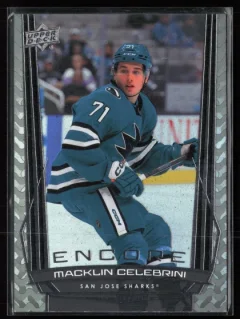
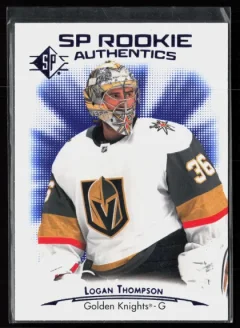
Browse real cards from our inventory — Hockey
New arrivals, hot cards, and exclusive offers — once a week, no spam.