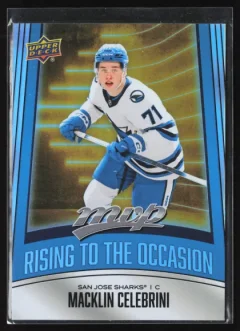
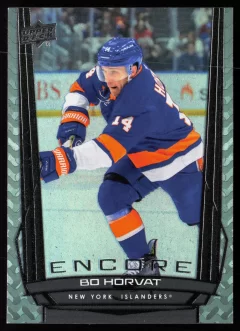
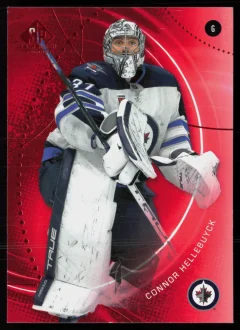
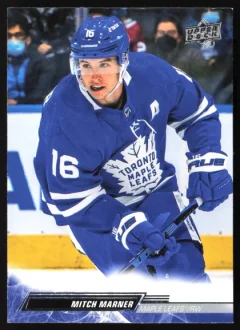
Before there were autographed patches, serial-numbered parallels, and case hits, there was set building. The original form of sports card collecting—completing an entire base set, card by card—is making a major comeback as collectors seek a more grounded, satisfying alternative to the modern hit-chasing treadmill.
Set building is exactly what it sounds like: acquiring every card in a specific set's base checklist. If a set has 300 base cards, you need all 300 to complete the set. It's a methodical, patient, and deeply rewarding approach to collecting that harkens back to the roots of the hobby. For Canadian collectors, set building offers a uniquely satisfying experience, particularly with Canadian-relevant sets like O-Pee-Chee hockey and Upper Deck Series 1 and 2.
Why Set Building Is Making a Comeback
After years of the hobby being dominated by high-end hit chasing—autographs, memorabilia cards, and low-numbered parallels—many collectors are rediscovering the joy of set building. Here's why:
Satisfaction of Completion
There's a unique satisfaction in completing a set. Unlike hit chasing, where you're always chasing the next big pull, set building has a clear endpoint. When you place that final card in your binder, you've achieved something tangible and complete. Many collectors describe the feeling as more rewarding than pulling a single valuable hit.
Affordability
Building a base set is significantly more affordable than chasing high-end hits. Most base cards can be acquired for pennies to a few dollars each. A complete 300-card base set might cost $50–$200 total, depending on the product and year. Compare that to a single autograph card that might cost $100–$500+.
Nostalgia
For many collectors, set building evokes childhood memories of trading cards at school and checking off cards on the back of a pack. It's a return to the purest form of the hobby, before the speculator boom transformed card collecting into an investment market.
Display Value
A complete set displayed in a binder is a beautiful thing. The uniform design, the organized progression of card numbers, and the visual appeal of a full set make for a display piece that's more impressive than a scattered collection of random hits.
Community Connection
Set building connects you with a community of like-minded collectors. Trading missing cards with other set builders is a social experience that's largely absent from the hit-chasing world. Online forums, Facebook groups, and card shows all have active set-building communities.
Choosing a Set to Build
Factors to Consider
When choosing a set to build, consider:
- Set size: Smaller sets (100–200 cards) are easier to complete. Larger sets (500–700 cards) are more challenging but more impressive.
- Cost: Base sets from premium products (like Topps Tier One) are more expensive than base sets from flagship products (like Topps Series 1).
- Player selection: Choose a set that features players you care about. If you're a hockey fan, Upper Deck Series 1 or O-Pee-Chee are natural choices.
- Year: Vintage sets are more challenging and expensive but have historical significance. Modern sets are more accessible and affordable.
- Canadian relevance: Sets like O-Pee-Chee hockey have special significance for Canadian collectors, as do Upper Deck hockey sets with Young Guns rookies.
Best Sets for Canadian Collectors to Build
Here are some recommended sets for Canadian collectors, ranging from beginner-friendly to advanced:
Beginner-Friendly Sets
- 2025-26 Upper Deck Series 1 Hockey (base set, ~250 cards): Features Young Guns rookies, which have investment value. Available at Canadian card shops and online retailers.
- 2025 Topps Series 1 Baseball (base set, ~350 cards): The flagship baseball set. Most base cards are very affordable.
- 2025 Panini Donruss Football (base set, ~300 cards): Includes Rated Rookies, which are among the most popular football cards.
Intermediate Sets
- 2025-26 O-Pee-Chee Hockey (base set, ~600 cards): A large set with classic design. The large checklist makes it more challenging but also more rewarding. O-Pee-Chee has special significance for Canadian collectors.
- 2025 Topps Chrome Baseball (base set, ~200 cards): Chrome versions of the flagship Topps set. More expensive than base Topps but more affordable than high-end products.
Advanced/Vintage Sets
- 1979-80 O-Pee-Chee Hockey (393 cards): Includes the Wayne Gretzky rookie card. This is a major undertaking and investment, but completing this set is a holy grail achievement for Canadian collectors.
- 1954 Blue Ribbon CFL (80 cards): The crown jewel of CFL card sets. Extremely challenging due to scarcity, but a piece of Canadian sports history.
- 1991 Upper Deck Hockey (500 cards): A classic early 90s set that's affordable but increasingly collectible. Includes key rookie cards.
How to Build a Set: Step-by-Step Process
Step 1: Get the Checklist
Every set has an official checklist—a list of every card in the set. You can find checklists on:
- Beckett.com: The most comprehensive card database. Search by year, brand, and sport.
- TCDB (Trading Card Database): A free, community-maintained database with checklists for virtually every card set ever produced.
- CardLadder: Good for modern sets with market data.
- The manufacturer's website: Topps, Panini, and Upper Deck all publish official checklists.
Print the checklist or create a digital version in a spreadsheet. This becomes your tracking tool as you acquire cards.
Step 2: Start with What You Have
If you already have cards from the set you're building—whether from previous box breaks, singles purchases, or childhood collections—start by checking them off your list. This gives you a baseline and shows you what you still need.
Step 3: Buy Lots and Groups
One of the most cost-effective ways to build a set is to buy lots—groups of cards from the same set sold together. eBay and Canadian card shows are excellent sources for lots. A lot of 100 base cards from a specific set might cost $10–$20, giving you a large chunk of your set in one purchase.
For Canadian collectors, look for Canadian eBay sellers to save on shipping. Also check Canadian card show dollar bins—many dealers sell base cards at $0.25–$1.00 each, and you can often negotiate bulk deals.
Step 4: Fill in the Gaps with Singles
Once you've acquired lots and groups, you'll have a list of remaining cards you need. These are typically the short prints (SPs), star player cards, and rookie cards that are harder to find and more expensive. Fill these gaps by buying singles from:
- CardSource.ca: Browse our shop for individual cards.
- eBay: Search for specific card numbers (e.g., "2025 Topps Series 1 #150").
- COMC: Good for finding specific base cards at low prices.
- Sportlots: A marketplace specifically for set builders, with many cards priced at $0.18–$0.35.
- Card shows: Bring your want list to card shows and ask dealers. Many dealers have extensive base card inventory that isn't displayed.
Step 5: Track Your Progress
Update your checklist every time you acquire a card. Watching your completion percentage climb is one of the most motivating aspects of set building. Use a spreadsheet, a checklist app, or TCDB's collection tracking feature.
Step 6: Complete and Display
Once you have every card in the set, it's time to display your achievement. Here are the most popular display options:
- Binder with side-loading pages: The classic display method. Use 9-pocket pages in a high-quality binder. Side-loading pages prevent cards from slipping out.
- Graded set registry: If you want to take your set to the next level, get every card graded by PSA and register your set on the PSA Set Registry. This is expensive but creates a valuable, authenticated collection.
- Card storage box: For storage without display, use a BCW card storage box organized numerically.
Tips for Successful Set Building
Be Patient
Set building is a marathon, not a sprint. Depending on the set size and your budget, completing a set can take months or even years. Don't rush—enjoy the process of hunting for each card.
Trade with Other Collectors
Trading is one of the best ways to fill gaps in your set. Join Canadian sports card collecting groups on Facebook, participate in Reddit's r/sportscards community, or attend card shows to find trading partners. Many set builders trade duplicates from their own set-building projects.
Focus on One Set at a Time
It's tempting to start multiple set-building projects simultaneously, but this can lead to scattered focus and incomplete sets. Choose one set, complete it, and then move on to the next. The satisfaction of completing a set will motivate you for the next one.
Consider Short Prints Early
Short prints (SPs) are the hardest cards to find in any set, and they're also the most expensive. Consider acquiring SPs early in your set-building process, before you've invested in the easier base cards. There's nothing worse than being one card short of a complete set and discovering that the final card costs $50.
Buy a Complete Set If Available
Some manufacturers sell complete base sets directly. Upper Deck, for example, has offered complete set options for some products. While this removes the hunting aspect, it's the fastest way to complete a set and can sometimes be more cost-effective than buying cards individually.
Set Building FAQ
How much does it cost to build a complete set?
The cost varies widely depending on the set. A modern flagship base set (like Topps Series 1 or Upper Deck Series 1) might cost $50–$150 to complete. A larger set like O-Pee-Chee Hockey (600+ cards) might cost $100–$300. Vintage sets can cost thousands of dollars, depending on the key cards in the set.
Should I grade my complete set?
Grading a complete set is a significant investment—typically $15–$25 per card through PSA, meaning a 300-card set would cost $4,500–$7,500 in grading fees alone. However, a complete graded set can be worth significantly more than a raw set, and PSA Set Registry recognition adds prestige. Consider grading only for sets with significant value or personal importance.
What's the difference between a base set and a master set?
A base set includes only the regular base cards in a product's checklist. A master set includes all base cards plus all inserts, parallels, short prints, and variations. Master sets are significantly more challenging and expensive to complete, as they include rare parallels and short-printed inserts that can cost hundreds or thousands of dollars each.
Where can I find checklists for Canadian hockey card sets?
Beckett.com and TCDB (Trading Card Database) are the best sources for hockey card checklists. Upper Deck's official website also publishes checklists for their current products. For vintage O-Pee-Chee sets, the book "Collectors Guide To O-Pee-Chee Hockey Cards 1933 to 1995" by George and Darril Fosty is the definitive reference.
Is set building a good investment?
Complete sets generally appreciate in value over time, particularly if they include key rookie cards. However, the primary value of set building is the satisfaction of completion, not financial return. If you're collecting purely for investment, buying individual high-value rookie cards is typically a better strategy. Set building is for collectors who love the process.
Conclusion
Set building is the purest form of sports card collecting—a patient, methodical pursuit that rewards persistence and organization. For Canadian collectors, it offers a connection to the hobby's roots and a uniquely satisfying collecting experience. Whether you're building a modern Upper Deck hockey set or pursuing a vintage O-Pee-Chee masterpiece, the journey of completing a set is one of the most rewarding experiences in the sports card hobby.
Ready to start building? Check our current inventory for base cards, or contact us if you're looking for specific cards to complete your set. We're always happy to help fellow Canadian collectors achieve that satisfying moment of completion.