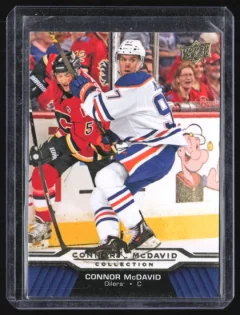
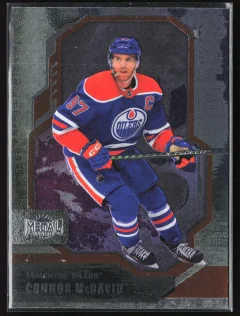
Sports card breaks have exploded in popularity across Canada, offering collectors a way to get cards from premium hobby boxes at a fraction of the full-box price. Whether you're chasing a Connor Bedard Young Guns, a Paul Skenes rookie auto, or a Connor McDavid patch card, breaks give you skin in the game without spending hundreds on a full box. This guide covers everything Canadian collectors need to know about joining, participating in, and maximizing value from sports card breaks in 2026.
What Is a Sports Card Break?
A sports card break (also called a group break) is a live-streamed event where a breaker opens one or more hobby boxes of trading cards on camera. Collectors purchase spots in the break, and the cards are distributed to spot holders based on the break format. Instead of one person paying $300-$1,000 for a hobby box, the cost is split among multiple participants, making it affordable to chase hits from premium products.
Breaks are streamed live on platforms like YouTube, Facebook, Twitch, and WhatNot, so participants can watch the packs being opened in real time. This adds an element of entertainment and community that you don't get from buying a box yourself. Breaks have become a social experience — viewers chat, react to pulls, and celebrate big hits together.
Types of Card Breaks Explained
Pick Your Team (PYT)
In a Pick Your Team break, each team is priced individually based on the expected value of hits for that team. Teams with marquee rookies (like the Chicago Blackhawks for Bedard or the Pittsburgh Pirates for Skenes) cost more, while less popular teams are cheaper. You select and pay for the team you want, and you receive every card from that team pulled during the break.
PYT is the best format for collectors targeting specific players or teams. The pricing is transparent, and you know exactly what you're getting. The downside is that premium teams can be expensive — a Bedard team spot might cost $50-$150 depending on the product.
Random Team
In a Random Team break, all spots are priced equally, and teams are assigned by random draw. The breaker randomizes the list of teams and the list of participants live on stream, and wherever your name lands determines your team. This format is more affordable and adds an element of luck to the team assignment.
Random Team is great for collectors on a budget who are comfortable with any team. It's also the most social format — the random draw creates excitement before the packs are even opened.
Hit Draft
In a Hit Draft break, all spots are priced equally. After the break is completed, participants draft hits in order. The person with the first draft pick gets first choice of any card pulled, the second pick gets the next best card, and so on. Draft order is usually randomized before the break.
Hit Draft rewards knowledge — if you know which cards are most valuable, you can make smart draft picks. It's a good format for collectors who want flexibility rather than being locked into one team.
Division Breaks
Similar to Random Team, but instead of individual teams, you're assigned an entire division (e.g., Atlantic Division in the NHL or AFC North in the NFL). You receive all cards from all teams in your division. This gives you more teams per spot but dilutes the quality of any single team's hits.
Pack Breaks (also called "Pack Wars")
Instead of opening hobby boxes, the breaker opens retail packs or blaster boxes. These are the most affordable breaks, with spots often costing $5-$15. The hit rate is lower, but so is the risk. Pack breaks are a great way to learn how breaks work without a big investment.
Where to Find Card Breaks in Canada
Canadian Break Companies
Several Canadian companies run regular card breaks, offering shipping within Canada without cross-border fees:
- CardBreakNL (Newfoundland) — Runs breaks on Facebook with Random Team and PYT formats. Free shipping anywhere in Canada. Accepts Email Money Transfer, PayPal, and credit card.
- Stakk.ca (Montreal) — Offers breaks for hockey, baseball, football, basketball, and Pokemon. Ships from Montreal with 7-10 business day delivery. SMS notifications before breaks go live.
- Remi Card Trader / 300 Breaks (Quebec) — Streams on Facebook, YouTube, Twitch, and TikTok. Offers Random Team and PYT formats. Also runs Pokemon and TCG live openings.
- Sport Collectibles / Rawscoe's Sports Breaks — Streams on Facebook. Free to join the group and watch. Cards sorted by team and shipped to respective buyers.
WhatNot
WhatNot is the largest live-commerce platform for trading cards. While it's US-based, many Canadian collectors participate. Some Canadian breakers also stream on WhatNot. The platform handles payments and shipping, making it convenient. However, Canadian buyers should factor in potential customs fees for shipments from US breakers.
YouTube and Facebook Live
Many independent breakers stream on YouTube and Facebook Live. Search for "Canadian card breaks" or "hockey card breaks Canada" to find active channels. The advantage of YouTube is that break replays are available, so you can verify your hits even if you miss the live stream.
How to Join Your First Card Break
Step 1: Create an Account
Most break companies have an online store where you purchase spots. Create an account, enter your shipping address, and browse available breaks. The break schedule is usually posted in advance with product details, format, and pricing.
Step 2: Choose Your Break
Look for breaks that match your budget and collecting goals. If you're new, start with a Random Team or Pack Break — they're the most affordable. Check what product is being broken (e.g., 2025-26 Upper Deck Series 1, 2026 Topps Chrome Baseball) and research which teams have the best rookies and hits.
Step 3: Purchase Your Spot
Add your spot to the cart and check out. Most Canadian breakers accept Email Money Transfer (EMT), PayPal, and credit cards. EMT is often preferred by Canadian sellers because it avoids processing fees, and some offer small discounts for EMT payments.
Step 4: Watch the Break Live
You'll receive an email or SMS notification 15 minutes before the break starts. Join the live stream and watch the packs being opened. If you can't watch live, replays are usually available. The breaker will announce each hit and who it goes to.
Step 5: Receive Your Cards
After the break, the breaker sorts and ships all cards. Hits (autographs, memorabilia, numbered parallels) are shipped in protective holders and bubble mailers. Base cards may or may not be included depending on the breaker's policy — some only ship hits and rookies, while others ship all cards for your team.
Canadian shipping typically takes 3-10 business days depending on your location. Most Canadian breakers ship free or at low cost within Canada. If you're buying from a US-based breaker on WhatNot, expect potential customs fees and longer delivery times.
Break Economics: Are Card Breaks Worth It?
The value of a break depends on the product, format, and your team assignment. Here's the honest math:
- PYT breaks are usually priced fairly — the total of all team spots roughly equals the box cost plus a markup for the breaker's time and risk. You're paying a premium for the entertainment and community experience.
- Random Team breaks are a gamble. You might get the Blackhawks (high value) or the Coyotes (low value). Over many breaks, it evens out, but individual breaks can be wins or losses.
- Pack breaks are entertainment-focused. Don't expect to make money — treat it like buying a lottery ticket with better odds.
The key to break value is understanding the product's checklist before buying. Research which rookies are in the set, what the hit rate is per box, and which teams have the most potential. A 2025-26 Upper Deck Series 1 box has 6 Young Guns per box on average, so in a 32-spot Random Team break, you have roughly a 19% chance of getting a Young Guns card.
Tips for Maximizing Your Break Experience
1. Research the Product Checklist
Before buying a spot, look up the checklist on Beckett or Checklist Insider. Know which rookies, autographs, and inserts are in the product. This helps you choose the right team in PYT breaks and assess whether a Random Team spot is fairly priced.
2. Start with Affordable Breaks
Don't jump into a $100+ PYT spot on your first break. Start with $10-$20 Random Team or Pack Break spots to learn the process, understand how shipping works, and get comfortable with the live stream format.
3. Join the Community
Most break companies have Facebook groups or Discord servers. Join them to connect with other collectors, trade cards from your breaks, and get notifications about upcoming breaks. The community is one of the best parts of the break experience.
4. Trade Your Hits
If you pull a hit from a team you don't collect, trade it! Most break communities have active trading sections. You can often trade a valuable hit from a less-desirable team for a card you actually want for your PC (personal collection).
5. Factor in All Costs
When evaluating break value, consider the spot price, shipping costs (if any), and the potential resale value of cards you receive. A $30 Random Team spot that yields $50 in sellable cards is a win. A $30 spot that yields $10 in base cards is a loss — but if you enjoyed the experience, it may still be worth it.
Card Breaks vs. Buying a Full Box
The fundamental question for many collectors is whether to join breaks or buy full hobby boxes. Here's the comparison:
- Breaks — Lower cost per participation, community experience, chance at premium hits, but you don't control which packs are opened or which cards you get (in Random formats).
- Full boxes — You keep everything, you choose when to open, you can grade or sell individual hits, but the upfront cost is much higher ($150-$1,000+ per box).
For most Canadian collectors, a combination works best. Join breaks for products you want to experience but can't afford full boxes of, and buy full boxes of products you know well and want to rip yourself.
Red Flags to Watch For
While most breakers are honest, there are some red flags to watch for:
- No live stream — If a breaker doesn't stream the opening live or provide replays, that's a major warning sign.
- Unrealistic pricing — If spots are priced far below market rate, the breaker may not have actually purchased the product.
- Poor communication — If the breaker doesn't respond to messages or provide tracking information, be cautious.
- No online presence — Established breakers have websites, social media accounts, and community reviews. Be wary of anonymous sellers.
- Pressure to pay outside the platform — If using WhatNot or another platform with buyer protection, don't agree to pay outside the platform.
The Future of Card Breaks in Canada
Card breaks continue to grow in Canada, with more breakers launching every year. The rise of WhatNot and similar platforms has made it easier than ever to participate. For 2026, expect more Canadian-specific breaks featuring Upper Deck hockey products, Tim Hortons card breaks, and increased PWHL content as women's hockey card collecting grows.
Whether you're a seasoned collector or just starting out, card breaks offer an exciting, affordable, and social way to experience the hobby. Start small, do your research, and most importantly, have fun — because at the end of the day, the thrill of the rip is what it's all about.
Frequently Asked Questions
Are card breaks legal in Canada?
Yes, card breaks are legal in Canada. They are considered a sale of goods — you're purchasing specific cards or spots, not gambling. The breaker purchases the product and sells the contents to participants.
How much does a card break spot cost in Canada?
Spot prices range from $5 for pack breaks to $200+ for premium PYT team spots. Most Random Team spots cost $15-$50 depending on the product.
Do Canadian breakers ship free?
Many Canadian breakers offer free shipping within Canada. Some charge a small fee ($3-$5) for shipping. Cards are typically shipped in bubble mailers with tracking.
What happens if my team gets no hits?
In most breaks, if your team gets no hits, you receive the base cards and inserts for your team (if the breaker ships base). Some breakers offer "no-hit" promotions or discounts on future breaks.