Box breaking—also known as group breaks or live breaks—has transformed the sports card hobby over the past decade. Instead of buying an entire hobby box yourself, you buy a "spot" in a break and share the cost (and the hits) with other collectors. It's an affordable way to access high-end products and experience the thrill of live pack opening.
For Canadian collectors, box breaking offers a particularly compelling opportunity: it provides access to premium hobby boxes that might be difficult or expensive to obtain individually, while connecting you with a community of fellow Canadian collectors. In this guide, we'll explain everything you need to know about sports card box breaking in Canada.
What Is Box Breaking?
A box break is a live event where a "breaker" opens boxes or cases of sports cards on camera, typically streaming on YouTube, Twitch, or a dedicated breaking platform. Collectors purchase spots in the break, and the cards pulled are distributed to spot holders based on the break's format.
Box breaking emerged in the early 2010s and has grown into a significant segment of the sports card market. The concept is simple: by pooling resources, collectors can access products that would be prohibitively expensive to buy individually. A case of 2025 Topps Chrome Baseball might cost $3,000+, but a single spot in a case break might cost $30–$100, giving you a chance at high-end hits for a fraction of the cost.
Types of Box Breaks
Team Breaks
In a team break, each spot corresponds to a specific team. If you buy the Toronto Maple Leafs spot in a hockey break, you receive every card featuring a Maple Leafs player. Team spots are priced based on the desirability of the team's players—a team with a star rookie or multiple top picks will cost more than a team with fewer desirable players.
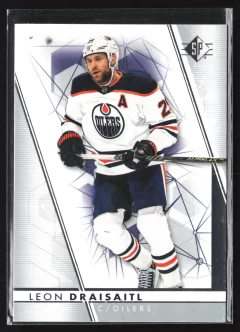
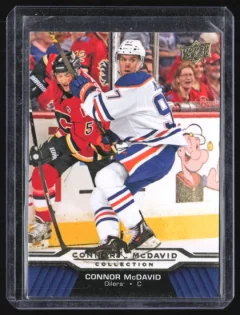
Pricing varies dramatically. In a 2025-26 Upper Deck Series 1 Hockey break, the Edmonton Oilers spot (Connor McDavid, Leon Draisaitl) might cost $75–$150, while the Arizona Coyotes spot might cost $10–$20. The breaker sets prices based on market demand and the expected value of each team's cards.
Hit Breaks
In a hit break, each spot corresponds to a specific hit position (e.g., Hit #1, Hit #2, etc.). The breaker opens the product and assigns each autograph, memorabilia card, or significant parallel to a numbered spot. Hit breaks are typically randomized—spot assignments are determined by a randomizer before the break.
Hit breaks are popular for high-end products where the number of hits is known in advance. They offer the excitement of potentially getting the best hit in the product for a relatively low price.
Pick-Your-Team (PYT) Breaks
In a PYT break, collectors choose which team they want, and spots are sold on a first-come, first-served basis. Unlike random team breaks where teams are assigned by randomization, PYT breaks let you guarantee you get your favourite team. PYT spots are typically more expensive than random team spots because of the certainty factor.
Random Team Breaks
In a random team break, all spots are sold at the same price (or in tiers), and teams are assigned randomly using a randomizer tool. This format is more affordable because you're not paying a premium for a specific team. It also adds an element of excitement when the randomizer runs.
Draft Breaks
In a draft break, spot holders draft cards in order after the break is completed. Spot #1 gets first pick of all cards pulled, Spot #2 gets second pick, and so on. Draft positions are typically randomized before the break. This format rewards collectors who know card values well, as they can strategically pick the best cards.
Division/Conference Breaks
Instead of individual teams, spots represent divisions or conferences. In an NHL break, for example, you might buy the Atlantic Division spot and receive all cards from all teams in that division. This format is more affordable than individual team spots but gives you a broader net for catching rookies.
How to Find Canadian Box Breaks
YouTube and Twitch
Many Canadian breakers stream on YouTube and Twitch. Search for "Canadian sports card break" or "Canada card break" to find active channels. Look for breakers who are based in Canada and ship domestically, which will save you on shipping costs and avoid cross-border issues.
Breaking Platforms
Several online platforms host breaks from multiple breakers. These platforms often have search filters that let you find Canadian-based breakers. Look for platforms that offer buyer protection and secure payment processing.
Canadian Card Shops
Many Canadian local card shops host in-person and online breaks. Check with your LCS to see if they offer breaking services. Supporting local shops through breaks is a great way to keep your hobby spending in the Canadian economy.
Social Media
Facebook groups, Instagram, and Twitter/X are all places where Canadian breakers promote their upcoming breaks. Search for "Canadian card breaks" or join Canadian sports card collecting groups where breakers often post their schedules.
Card Shows
Some Canadian card shows feature live breaking events. The Sport Card Expo in Toronto, for example, has hosted breaking activities where attendees can participate in person.
How to Participate in a Box Break Safely
Research the Breaker
Before buying a spot, research the breaker's reputation:
- Check their social media history and how long they've been breaking
- Look for reviews and testimonials from previous buyers
- Verify they have a consistent track record of shipping cards promptly
- Check if they're affiliated with a reputable card shop or platform
- Watch a previous break to see their process and professionalism
Understand the Break Rules
Every breaker has specific rules. Before buying a spot, make sure you understand:
- What happens with base cards: Some breakers ship all base cards; others only ship hits (autographs, relics, numbered parallels).
- Multi-player cards: If a card features players from multiple teams, how is it handled? Common methods include randomizing between the teams involved or awarding it to the team of the player on the left.
- Shipping costs: Is shipping included in the spot price, or is it additional? For Canadian collectors, domestic shipping is significantly cheaper than cross-border.
- Payment methods: What payment methods are accepted? PayPal is standard, but some breakers accept e-Transfer, which is convenient for Canadians.
- Refund/cancellation policy: What happens if the break doesn't fill? Most breakers offer refunds or credit for future breaks.
Set a Budget and Stick to It
Box breaking can be addictive. The excitement of live breaks and the possibility of pulling a big hit can lead to overspending. Set a monthly breaking budget and stick to it. Treat break spots as entertainment spending, not as an investment strategy.
Keep Records of Your Purchases
Track your break purchases, including the breaker, date, spot, cost, and cards received. This helps you evaluate whether breaking is a good value proposition for you and provides documentation for insurance purposes.
The Economics of Box Breaking for Canadian Collectors
Is Breaking a Good Value?
The honest answer is: it depends. Like buying boxes, the expected value of a break spot is usually less than the cost of the spot. The breaker needs to cover the cost of the product, their time, shipping materials, and platform fees, which means spots are priced above the expected per-spot value of the cards.
However, breaking offers value beyond pure card economics:
- Access to premium products: A $50 spot in a case break gives you a chance at cards from a $3,000+ case that you couldn't afford individually.
- Entertainment value: Watching live breaks is fun, and the community aspect adds social value.
- Team-specific collecting: Team breaks let you get all cards of your favourite team without buying an entire box.
- Canadian shipping: Buying from Canadian breakers means domestic shipping rates, no customs fees, and faster delivery.
Comparing Breaking to Buying Singles
If your goal is to acquire specific cards, buying singles is almost always more cost-effective than breaking. But if you enjoy the thrill of the gamble and the community experience, breaking offers a unique form of entertainment that buying singles can't match.
Red Flags to Watch For
While most breakers are honest and professional, there are some red flags to watch for:
- No history or reviews: New breakers with no track record are higher risk.
- Prices that seem too good to be true: If spots are priced significantly below market rate, something may be off.
- Poor communication: Breakers who don't respond to messages or provide clear rules are a red flag.
- Delayed shipping: If a breaker consistently takes weeks or months to ship cards, look elsewhere.
- No live video: Breaks should be streamed live or recorded. A breaker who opens cards off-camera is a major red flag.
- Pack searching: Some unethical breakers "search" packs to find high-value cards before the break, leaving low-value packs for spot holders. Watch for breakers who handle packs excessively before opening.
Box Breaking FAQ for Canadian Collectors
Is box breaking legal in Canada?
Yes, box breaking is legal in Canada. It's essentially a group purchase of a product with cards distributed based on predetermined rules. However, breakers should be aware of tax obligations if they're running breaking as a business, and participants should be aware that breaking involves an element of chance.
How much does a typical break spot cost?
Spot prices vary widely based on the product and break format. Entry-level breaks might cost $10–$25 per spot, mid-range breaks $25–$75, and high-end case breaks $75–$300+ per spot. Team spots in PYT breaks vary based on the team's desirability.
Do Canadian breakers charge in CAD or USD?
Most Canadian-based breakers charge in Canadian dollars, which is a significant advantage for Canadian collectors. Buying from US-based breakers means paying in USD plus higher shipping costs and potential customs fees.
What if my team doesn't get any hits in a break?
In most break formats, there's no refund if your team doesn't get any hits. You're paying for the chance at hits, not a guaranteed return. Some breakers offer "hitless promotions" or bonus spots for teams that don't get any hits, but this varies by breaker.
Can I sell cards I get from breaks?
Absolutely. Many collectors participate in breaks specifically to acquire cards they can resell. Cards you receive from breaks are yours to keep, sell, or trade as you wish. If you're selling cards regularly, be aware of the tax implications we've outlined in our tax guide.
Conclusion
Box breaking is an exciting and social way to experience the sports card hobby, and for Canadian collectors, it offers access to premium products at a fraction of the cost. By participating in Canadian-based breaks, you can enjoy domestic shipping, CAD pricing, and a community of fellow Canadian collectors.
The key to successful breaking is to approach it as entertainment rather than investment, set a budget you're comfortable with, and work with reputable breakers. Whether you're chasing your favourite team's rookies or just enjoying the thrill of live pack openings, box breaking is a fantastic addition to the Canadian collector's hobby toolkit.