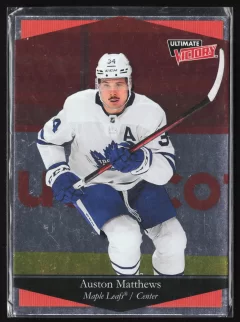
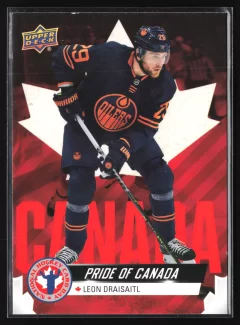
One of the most rewarding experiences in the sports card hobby is sharing it with your children. Whether you're a lifelong collector wanting to pass down your passion or a parent looking for a screen-free activity that teaches patience, organization, and an appreciation for sports history, card collecting with kids is an enriching family experience.
But introducing kids to the hobby requires a different approach than adult collecting. Children have different attention spans, different budgets (i.e., your budget), and different motivations. This guide will help Canadian parents navigate the world of sports card collecting with their kids, from choosing the right products to teaching healthy collecting habits.
Why Sports Card Collecting Is Great for Kids
Educational Value
Sports card collecting teaches kids a wide range of skills without feeling like learning:
- Math skills: Calculating totals, understanding percentages (hit rates), managing budgets, and tracking values all reinforce mathematical thinking.
- Reading and research: Reading card backs, researching players, and following stats encourages literacy and research skills.
- Organization: Sorting cards by team, player, year, or set teaches categorization and organizational skills.
- History: Vintage cards open conversations about sports history, cultural changes, and historical events. A 1979 O-Pee-Chee Gretzky card is a gateway to discussing the Oilers dynasty, the 1980s, and Canadian hockey history.
- Geography: Collecting cards from teams across North America and around the world teaches geography. Where is Green Bay? Where is Edmonton? What provinces have CFL teams?
Social Skills
Card collecting is inherently social. Trading with friends, attending card shows, and participating in online communities all develop social skills. Kids learn negotiation, fair dealing, and how to interact with people of different ages and backgrounds.
Patience and Delayed Gratification
In an era of instant digital gratification, card collecting teaches patience. Building a set takes time. Saving up for a special card requires delayed gratification. Waiting for grading results (if you submit cards) teaches the value of patience—a skill that transfers to many areas of life.
Family Bonding
Perhaps most importantly, card collecting creates shared experiences. Opening packs together, sorting cards at the kitchen table, attending card shows as a family—these are bonding moments that create lasting memories. Many adult collectors trace their passion to childhood experiences with a parent or grandparent.
Age-Appropriate Approaches to Card Collecting
Ages 5–7: The Beginner Phase
At this age, the focus should be on fun and simplicity:
- Start with retail packs: Blaster boxes from Walmart or London Drugs are affordable ($20–$30) and accessible. The excitement of opening packs is the main attraction.
- Focus on base cards: Don't worry about hits or value. Kids at this age are excited by the cards themselves—the pictures, the players, the teams.
- Use a simple binder: A 3-ring binder with 9-pocket pages is perfect for displaying cards. Let your child choose how to organize them—by team, by colour, by favourite player.
- Keep it inexpensive: At this age, kids don't need premium products. Retail packs and dollar-bin singles are more than enough.
- Make it a shared activity: Open packs together. Talk about the players. Make it a special parent-child time.
Ages 8–11: The Engaged Collector
As kids develop their own sports interests and collecting preferences:
- Let them choose their focus: Whether it's hockey, basketball, football, or Pokémon, let your child decide what they want to collect. Passion drives engagement.
- Introduce set building: Pick an affordable base set and work on completing it together. This teaches patience and organization. See our set building guide for tips.
- Teach card care: Introduce penny sleeves, toploaders, and proper handling. This is a good opportunity to teach respect for belongings.
- Attend card shows: Canadian card shows are family-friendly events. The Sport Card Expo in Toronto, card shows in Burnaby, BC, and shows across the country welcome young collectors.
- Set a budget: Give your child a monthly collecting budget (e.g., $20–$30). This teaches financial responsibility and decision-making.
- Start a trade network: If your child has friends who collect, encourage trading. This develops social skills and negotiation.
Ages 12–15: The Serious Collector
Teenagers can handle more sophisticated collecting:
- Introduce grading: If your child has valuable cards, consider submitting them for grading. This teaches them about condition, authentication, and long-term value.
- Teach market awareness: Show them how to check eBay sold listings, CardLadder, and other pricing resources. This teaches research skills and market literacy.
- Allow controlled selling: If your child wants to sell duplicates or cards they no longer want, help them list on eBay or CardSource.ca. This teaches entrepreneurship and financial skills.
- Discuss investment concepts: Talk about the difference between collecting for fun and collecting for investment. Be honest about the risks of treating cards as investments.
- Encourage specialization: Whether it's a specific player, team, or set, specialization deepens knowledge and passion.
Choosing the Right Products for Kids
Best Products for Young Collectors (Ages 5–11)
- Upper Deck Series 1 & 2 Hockey: The most accessible hockey product. Features Young Guns rookies and Canadian-relevant content. Retail blasters are $20–$30.
- Topps Series 1 Baseball: The flagship baseball product. Colourful, accessible, and widely available at Canadian retailers.
- Panini Donruss Football: Features Rated Rookies and is available at retail. Good for football-loving kids.
- Pokémon TCG: While not sports cards, Pokémon is often the entry point for young collectors. The skills learned (sorting, trading, card care) transfer directly to sports cards.
Best Products for Teen Collectors (Ages 12–15)
- Upper Deck O-Pee-Chee Hockey: A large set (600+ cards) that's perfect for set building. Classic design and affordable.
- Topps Chrome Baseball/Basketball: A step up from flagship, with chrome finishes that kids love. Available in hobby and retail formats.
- Panini Prizm: One of the most popular products across all sports. Prizm parallels are visually appealing and fun to chase.
Products to Avoid for Kids
- High-end products (Topps Dynasty, Panini Flawless, Upper Deck The Cup): These are too expensive and too focused on hit-chasing for young collectors.
- Vintage cards: The cost and condition sensitivity make vintage cards inappropriate for young children. Save vintage for when they're older and can appreciate the history.
- Group breaks: The gambling aspect of group breaks isn't appropriate for children. See our box breaking guide for more on how breaks work.
Teaching Healthy Collecting Habits
Focus on Fun, Not Profit
The most important lesson you can teach your child is that card collecting is primarily about enjoyment, not making money. Children who approach the hobby as a money-making venture are likely to be disappointed and may develop unhealthy attitudes toward gambling and speculation. Emphasize the joy of collecting, the thrill of opening packs, and the satisfaction of completing sets.
Teach Card Care Early
From the beginning, teach your child to handle cards properly:
- Always hold cards by the edges, not the surface
- Put cards in penny sleeves immediately after opening
- Store cards in a cool, dry place away from direct sunlight
- Don't bend, fold, or mark cards
- Keep food and drinks away from cards
These habits protect your child's collection and teach respect for belongings. See our Canadian climate storage guide for detailed storage advice.
Set Realistic Expectations About Value
Kids need to understand that most cards aren't valuable. The card they pull from a $5 pack is probably worth $0.25, not $500. Teach them that the value of a card is in the enjoyment it brings, not its market price. When they do pull something valuable, celebrate it—but don't make it the focus of the hobby.
Encourage Trading, Not Just Buying
Trading is a core part of the card collecting experience. Encourage your child to trade duplicates with friends. This teaches negotiation, fairness, and social skills—all without spending money. Help them understand fair trades (similar value, mutual benefit) and discourage one-sided deals.
Limit Screen Time with Digital Tools
While digital tools like CollX and CardLadder are useful for checking values, limit the time your child spends on these apps. The hobby should be about physical cards and real-world interactions, not screen time. Use digital tools as a reference, not as the primary activity.
Budget Tips for Family Card Collecting
Set a Monthly Allowance
Give your child a monthly card collecting allowance—$20–$30 is reasonable for most families. Let them decide how to spend it: one blaster box, several packs, or a few singles. This teaches budgeting and decision-making.
Shop Canadian Retail
Walmart, London Drugs, and other Canadian retailers carry blaster boxes at reasonable prices. Avoid the markup of individual packs at convenience stores—blasters offer better value.
Use Dollar Bins at Card Shows
Canadian card shows have dollar bins where you can find base cards for $0.25–$1.00. These are perfect for kids who want to build sets or collect specific players without spending much.
Buy Lots on eBay
eBay sellers often sell lots of 100+ base cards for $10–$20. These lots are perfect for kids who want a large collection to sort and organize. Look for Canadian sellers to save on shipping.
Trade Instead of Buy
Encourage trading with friends and at card shows. Trading is free (aside from show admission) and teaches valuable social skills.
Family Card Collecting FAQ
What age should my child start collecting sports cards?
Most children can start around age 5–6, when they can handle cards without damaging them and understand basic concepts like teams and players. However, the right age depends on the child—some 4-year-olds are careful with cards, while some 8-year-olds aren't ready.
How much should I spend on cards for my child?
A monthly budget of $20–$30 is reasonable for most families. This allows for a blaster box or several packs per month. As your child gets older and more engaged, you can adjust the budget based on their interest level and your financial situation.
Are sports cards appropriate for young children?
Sports cards are appropriate for children who can handle them responsibly. The main concern is small card accessories (penny sleeves, toploaders) which could be choking hazards for very young children. Supervise card activities and keep small accessories away from toddlers.
Should I let my child sell their cards?
Yes, with supervision. Selling cards teaches entrepreneurship and financial skills. Help your child list cards on eBay or CardSource.ca, and discuss the process together. Be sure to discuss the tax implications if sales become significant.
How do I prevent my child from becoming too focused on card values?
Emphasize the fun and educational aspects of the hobby. Celebrate pulls regardless of value. Focus on set building and player collecting rather than hit chasing. And model healthy collecting habits yourself—your child will follow your lead.
Conclusion
Sports card collecting is one of the best hobbies to share with your children. It's educational, social, screen-free, and creates lasting family memories. By starting with age-appropriate products, teaching healthy habits, and focusing on fun over profit, you can give your child a gift that may last a lifetime.
The Canadian sports card community is welcoming to families, with card shows, shops, and online groups that embrace young collectors. Whether your child becomes a lifelong collector or eventually moves on to other interests, the skills, memories, and bonding experiences from collecting together will stay with them forever.
Looking to start your family collecting journey? Browse our shop for affordable cards, or contact us for recommendations on starter products for young collectors.