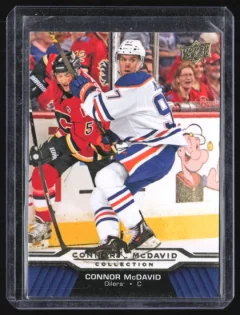
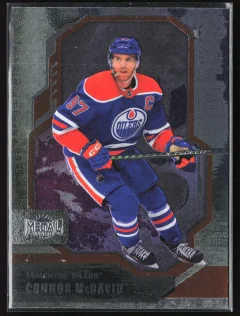
If you've been collecting sports cards for any length of time, your collection could be worth significantly more than you realize. A single Connor McDavid rookie card, a vintage Wayne Gretzky O-Pee-Chee, or a complete set of 1986 Fleer Basketball cards can be worth thousands—or even tens of thousands—of dollars. Yet many Canadian collectors have no idea whether their collection is properly insured.
Standard homeowners or tenants insurance policies in Canada typically have significant gaps when it comes to collectibles. In this guide, we'll explain how sports card insurance works in Canada, what your existing policy covers (and doesn't), and how to ensure your collection is fully protected.
Why Sports Card Insurance Matters
Sports cards are vulnerable to a wide range of risks that many collectors don't consider until it's too late:
- Fire and smoke damage: Cards can be destroyed or damaged by heat, smoke, and water from firefighting efforts.
- Water damage: Burst pipes, flooding, and leaks can ruin cards stored in basements or lower levels.
- Theft: Valuable cards are small, portable, and easy to sell—making them attractive targets for thieves.
- Natural disasters: While less common in Canada, severe storms, tornadoes, and wildfires can destroy collections.
- Accidental damage: A spilled drink, a dropped box, or a child handling cards can cause irreversible damage.
- Transit damage: Cards lost or damaged in shipping, particularly when sending high-value cards for grading.
Without proper insurance, losing a valuable collection could mean a devastating financial loss on top of the emotional impact of losing items you've spent years curating.
What Canadian Homeowners Insurance Typically Covers
Personal Property Coverage Limits
Most Canadian homeowners and tenants insurance policies include personal property coverage, which covers your belongings up to a certain limit—typically 50–70% of your dwelling coverage for homeowners, or a specified amount for tenants. However, there are important limitations when it comes to collectibles:
- Sub-limits on collectibles: Many policies have sub-limits for collectibles, antiques, and memorabilia, often capped at $1,000–$5,000 regardless of your total personal property coverage.
- Actual cash value vs. replacement cost: Some policies pay actual cash value (which factors in depreciation) rather than replacement cost. For collectibles, "depreciation" doesn't really apply, but insurers may still try to pay less than market value.
- Proof of value required: You'll need to prove the value of your collection, which can be challenging without proper documentation.
- Mysterious disappearance exclusion: Many policies don't cover items that simply go missing—you need to prove theft, which typically requires a police report.
Common Coverage Gaps
Here are the most common gaps we see in Canadian collectors' insurance coverage:
- No coverage for market value: Standard policies may not recognize the collectible market value of cards, instead covering only the "intrinsic" value of the cardboard and ink.
- Low sub-limits: A $2,000 sub-limit for collectibles won't cover a collection worth $50,000.
- No coverage away from home: If you take cards to a show or send them for grading, your home policy may not cover them while they're off-premises.
- Wear and tear exclusions: Gradual deterioration from improper storage conditions may not be covered.
- Business activity exclusions: If you sell cards as a business, your personal policy may exclude inventory and business-related losses.
How to Properly Insure Your Sports Card Collection in Canada
Option 1: Schedule Your Collection on Your Homeowners Policy
The most straightforward option for many Canadian collectors is to add a scheduled personal property endorsement (also called a "rider" or "floater") to your existing homeowners or tenants insurance policy. This involves:
- Getting an appraisal: You'll need a professional appraisal or detailed documentation of your collection's value. For high-end cards, a PSA or BGS grading certificate can serve as documentation of authenticity and condition.
- Contacting your insurance broker: Ask about scheduling individual high-value cards or adding a collectibles endorsement to your policy.
- Providing documentation: Submit your appraisal, grading certificates, purchase receipts, and photographs to your insurer.
- Paying the additional premium: Scheduled items typically cost an additional $1–$3 per $1,000 of coverage per year, which is quite affordable.
Benefits of scheduling include broader coverage (often including mysterious disappearance), no deductible for scheduled items, and agreed-upon value in case of a loss.
Option 2: Specialized Collectibles Insurance
For larger or more valuable collections, specialized collectibles insurance may be a better option. While the Canadian market for collectibles insurance is smaller than the US market, there are providers that offer coverage specifically designed for sports card collections:
- Coverage for full market value: Specialized policies understand that a PSA 10 Connor McDavid rookie is worth its market price, not the cost of a piece of cardboard.
- Worldwide coverage: Cards are covered whether they're at home, at a card show, in transit for grading, or in a safety deposit box.
- No deductible options: Many specialized policies offer zero-deductible coverage.
- Broader perils: Coverage often includes accidental damage, flood, earthquake, and other perils not covered by standard policies.
- Business use: If you buy and sell cards, some specialized policies can cover inventory as well as personal collection items.
Option 3: Business Insurance for Card Dealers
If you're running a sports card business—whether through CardSource.ca, eBay, or at card shows—you need business insurance rather than personal collectibles coverage. This typically includes:
- Inventory coverage: Protects your stock of cards held for sale.
- General liability: Covers you if someone is injured at your booth or store.
- Transit coverage: Protects cards while shipping to customers.
- Cyber liability: If you sell online, this covers data breaches and online fraud.
How to Document Your Collection for Insurance
Proper documentation is the foundation of any insurance claim. Without it, you'll struggle to prove what you owned and what it was worth. Here's how to document your collection properly:
Create a Detailed Inventory
For each card or collection item, record:
- Card description (year, brand, set, player, card number, parallel)
- Grading company and grade (if graded)
- PSA/BGS/CGC certification number
- Purchase date and price
- Current estimated market value (check eBay sold listings or CardLadder)
- Photographs (front and back, plus the grading label if applicable)
Maintain Digital Records
Store your inventory records digitally—ideally in cloud storage—so they're accessible even if your physical records are destroyed. Tools like CollX, CardLadder, or a simple Google Sheets spreadsheet can work well. Take high-quality photos of each valuable card and store them alongside your inventory data.
Keep Purchase Receipts
Retain all purchase receipts, whether from eBay, CardSource.ca, card shows, or private sales. These establish your cost basis and help prove ownership. For high-value purchases, keep both digital and physical copies.
Get Professional Appraisals for High-Value Collections
If your collection is worth more than $10,000, consider getting a professional appraisal. Some insurance providers require appraisals for collections above a certain threshold. An appraisal provides an independent, documented valuation that's difficult for insurers to dispute.
Update Your Documentation Regularly
Card values fluctuate, and your collection changes over time. Update your inventory at least annually, and notify your insurer when you acquire significant new pieces that need to be added to your schedule.
Tips for Preventing Loss and Damage
While insurance is essential, prevention is always better than making a claim. Here are key steps to protect your collection:
- Store cards properly: Use penny sleeves, toploaders, and one-touch magnetic cases for valuable cards. See our Canadian climate storage guide for detailed recommendations.
- Control humidity: Canadian winters are dry and summers can be humid. Use a dehumidifier in summer and maintain stable humidity (40–50%) year-round.
- Avoid direct sunlight: UV light fades cards over time. Store cards in opaque boxes or away from windows.
- Use a fireproof safe: For your most valuable cards, a fireproof and waterproof safe provides additional protection.
- Consider a safety deposit box: For ultra-high-value cards, a bank safety deposit box offers maximum security.
- Ship with tracking and insurance: When sending cards for grading or to buyers, always use tracked shipping with adequate insurance coverage.
- Keep cards off the floor: Store cards on shelves or in cabinets to protect against flooding from burst pipes or sewer backup.
Sports Card Insurance FAQ
Does my homeowners insurance cover my sports card collection?
Most Canadian homeowners policies provide some coverage for personal property, but typically with low sub-limits for collectibles (often $1,000–$5,000). If your collection is worth more than the sub-limit, you need to schedule it separately or purchase specialized collectibles insurance.
How much does sports card insurance cost in Canada?
Scheduling collectibles on your homeowners policy typically costs $1–$3 per $1,000 of coverage per year. Specialized collectibles insurance may cost slightly more but offers broader coverage. For a $50,000 collection, expect to pay approximately $50–$150 per year for adequate coverage.
Do I need insurance if I only have a small collection?
Even a modest collection can be worth more than you think. Add up the current market value of all your cards—if it exceeds your policy's collectibles sub-limit, you should consider additional coverage. A collection of 50 modern rookie cards could easily be worth $5,000–$10,000.
Are graded cards easier to insure?
Yes. Graded cards come with authentication, condition certification, and a unique serial number, making them much easier to document and value for insurance purposes. If you have valuable raw cards, consider getting them graded both for protection and to simplify insurance.
What should I do if my collection is stolen or damaged?
Immediately file a police report (required for theft claims), document the damage with photographs, contact your insurance provider to start the claims process, and provide your inventory records and valuation documentation. The more thorough your records, the smoother the claims process will be.
Conclusion
Your sports card collection represents years of curating, researching, and investing—both time and money. Protecting it with proper insurance is not optional; it's essential. Whether you schedule your collection on your existing homeowners policy, purchase specialized collectibles insurance, or obtain business coverage for your card dealership, the peace of mind that comes from knowing your collection is protected is worth every penny.
Take action today: inventory your collection, check your current insurance coverage, and contact your insurance broker to discuss your options. Don't wait until disaster strikes to discover that your collection wasn't as protected as you thought.