Sports card investing is the original modern alternative-asset play. Unlike fine art, sports cards have transparent comps on eBay. Unlike real estate, they are globally liquid within 24 hours. And unlike equities, they carry cultural and emotional durability that translates to stable long-term demand. Done right, sports cards deliver 8-20% annualized returns with collectibles-rate capital gains treatment.
The market has doubled in the past year. eBay sports card singles generated $1.36 billion in the first half of 2026, up 40% from the previous six months. Card Ladder tracked $606 million in sales in March 2026 alone — double the previous year.
This guide provides a data-driven framework for Canadian collectors looking to build a sports card portfolio in 2026.
The Three Tiers of Sports Card Investing
Tier 1: Blue-Chip Vintage (Pre-1980)
These are the Rolls-Royces of the card market. Seven-figure territory in top grades.
| Card | PSA 10 Value | PSA 9 Value | Annual Growth | |------|-------------|-------------|---------------| | 1952 Topps Mickey Mantle | $12.6M | $1-2M | 10-15% | | T206 Honus Wagner | $12.6M | $3-5M | 10-15% | | 1979 OPC Wayne Gretzky RC | $1.5M+ | $150-300K | 8-12% | | 1954 Topps Hank Aaron RC | $500K+ | $4,500 (PSA 4) | 8% |
Why invest: Consistent 8-12% annual growth, inflation hedge, proven multi-decade liquidity. These cards are the foundation of any serious portfolio.
Risk: Low. These cards have survived multiple market corrections and continue to appreciate. The main risk is overpaying at auction.
Tier 2: Modern Superstar Rookies (1985-2015)
Cultural anchor cards with proven multi-decade liquidity.
| Card | PSA 10 Value | Pop Count | Liquidity | |------|-------------|-----------|-----------| | 1986 Fleer Michael Jordan RC | $250K+ | ~3,000 | Very high | | 2003-04 UD Exquisite LeBron RC Auto /99 | $100K+ | ~100 | High | | 2000 Playoff Contenders Brady RC Auto | $50K+ | ~200 | High | | 1989 UD Ken Griffey Jr. RC | $3-5K | ~15,000 | Very high | | 1996 UD Kobe Bryant Rookie Exclusives | $15-25K | ~330 | High |
Why invest: These are the cards that built the modern hobby. Jordan, LeBron, Brady, and Kobe have proven demand that transcends market cycles.
Risk: Low to moderate. Liquidity is excellent, but prices can fluctuate with broader market conditions.
Tier 3: Current Rookie Era (2015-Present)
Live performance risk but high upside. This is where the speculation happens.
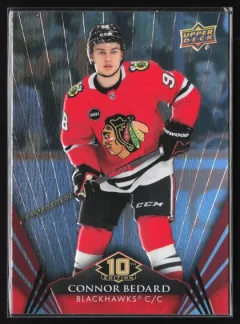
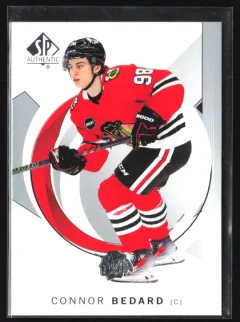
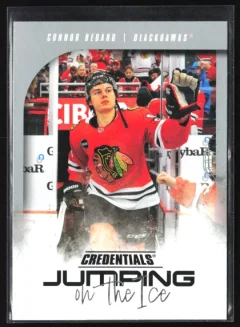
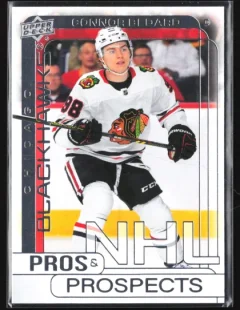
| Card | PSA 10 Value | Investment Thesis | |------|-------------|-------------------| | 2023-24 UD Bedard Young Guns | $400 | Generational talent, undervalued vs NBA/NFL equivalents | | 2023-24 Prizm Wembanyama RC | $12,500 | Rare generational talent, low pop count | | 2017 Prizm Mahomes RC | $5-10K | Multi-time Super Bowl winner, established | | 2018 Prizm Luka Doncic Silver | $1-2K | Consensus "next face of the NBA" | | 2024 Prizm Caleb Williams RC | $500-1K | Breakout season, strong demand |
Why invest: High upside potential. A $400 Bedard Young Guns could reach $1,500-2,000 by 2028-2030 if he delivers on projections.
Risk: High. Player performance, injury, and market sentiment can dramatically affect values.
The 3-Category Portfolio Allocation
Over-concentrating in a single sport is the most common rookie mistake. A sensible baseline allocation:
- 50% basketball — Largest market, deepest liquidity, global demand
- 25% football — Second-largest, quarterback-driven, strong domestic market
- 15% baseball — Oldest market, stable vintage anchor, deep farm system
- 10% hockey or emerging — Young Guns parallels, international stars, less competition
Canadian Collector Adjustment
For Canadian collectors, consider increasing hockey allocation to 15-20% and reducing football to 20%. Hockey cards have stronger demand in Canada, and your natural knowledge advantage in hockey gives you an edge over U.S. collectors.
Data-Driven Stock Picks for 2026
Ultra-Modern: Victor Wembanyama
- Card: 2023-24 Panini Prizm Blue Shimmer /35
- PSA 10 Value: $12,500
- Thesis: Rare generational talent, low population count. Wembanyama is the consensus most valuable young asset in basketball.
- Risk: Price already reflects significant hype. Value could decline if he doesn't meet expectations.
Vintage Blue Chip: 1954 Topps Hank Aaron Rookie
- Card: 1954 Topps #128 Hank Aaron RC
- PSA 4 Value: $4,500
- Thesis: Consistent 8% annual growth, inflation hedge. Aaron is a forever-blue-chip. The PSA 4 grade makes it accessible while still maintaining investment-grade status.
- Risk: Very low. Vintage Hall of Fame rookies in any grade have proven demand.
Mid-Tier Growth: Anthony Edwards
- Card: 2017-18 Panini Optic Holo
- PSA 10 Value: $850
- Thesis: Postseason performer, high liquidity. Edwards has established himself as one of the NBA's most exciting young players.
- Risk: Moderate. Needs to maintain All-Star level play.
Speculative Play: Arch Manning
- Card: Bowman U Autograph
- Raw Value: $1,200
- Thesis: Massive NFL hype, high risk/reward. Manning is the most hyped quarterback prospect in years.
- Risk: Very high. Has not played a meaningful NFL snap. Could lose significant value if he doesn't start.
Hockey Value: Connor Bedard
- Card: 2023-24 Upper Deck Young Guns
- PSA 10 Value: $400
- Thesis: Generational talent at $400, with 3-5x upside by 2030 if he delivers on projections. Undervalued compared to equivalent basketball and football rookies.
- Risk: Moderate. Must deliver on hype with a breakout 2026-27 season.
Sample $10,000 Portfolio for a Canadian Collector
| Allocation | Card | Grade | Price | % of Portfolio | |-----------|------|-------|-------|----------------| | Blue Chip | 1954 Topps Hank Aaron RC | PSA 4 | $4,500 | 45% | | Growth | 2018 Prizm Luka Doncic Silver | PSA 10 | $1,500 | 15% | | Growth | 2023-24 UD Bedard Young Guns | PSA 10 | $400 | 4% | | Growth | 2023-24 UD Bedard Young Guns | PSA 10 | $400 | 4% | | Growth | 2017 Prizm Mahomes RC | PSA 9 | $2,000 | 20% | | Sleeper | 2024 Prizm Caleb Williams RC | Raw | $500 | 5% | | Sleeper | 2026-27 UD McKenna Young Guns | Raw | $100 | 1% | | Speculative | Arch Manning Bowman U Auto | Raw | $600 | 6% | | Total | | | $10,000 | 100% |
What to Avoid in 2026
1. Mass-Produced Base Rookies
Due to record-high print runs from major manufacturers, base rookie cards have virtually zero long-term value. These are often labeled as "Junk Wax 2.0-era" products. Focus on numbered parallels (/99 or less) and autographs instead.
2. Unauthenticated Memorabilia Cards
Cards with game-used memorabilia pieces are only valuable if authenticated. Be wary of cards without clear authentication from the manufacturer.
3. Over-Hyped Prospect Cards
Cards of players who haven't reached the major leagues carry significant risk. The market is full of can't-miss prospects who did miss.
4. Paper-Based Rookie Cards
Paper-based cards from retail products have virtually zero long-term value. Chrome, Prizm, and premium products hold value much better.
5. Defensemen and Goalies (Hockey)
In hockey card investing, defensemen and goalies show minimal appreciation compared to forwards. Focus on generational centers and wingers.
Grading Strategy for Your Portfolio
Grading can significantly increase a card's value, but it's not always the right choice. Here's the framework:
Grade It If:
- Card is worth $250+ (PSA Regular at $80 makes sense)
- Card appears to be in mint or near-mint condition
- It's a rookie card of a star player
- It's vintage (pre-1980) in good condition
- You're using the PSA Canada facility (no tariff fees)
Don't Grade It If:
- Card is worth less than $50 (grading costs more than the card)
- Grading costs more than 15-20% of the card's expected graded value
- The card has visible damage that will result in a low grade
- You're planning to sell raw (some buyers prefer ungraded cards for personal collections)
Risk Management
Set Exit Prices
Always set a target exit price and sell when you hit it. Never let greed turn a 50% gain into a 20% loss. The card market is cyclical, and what goes up can come down.
Diversify
Don't go all-in on one card, one player, or one sport. A balanced portfolio spreads risk across eras, sports, and price points.
Track Everything
Use tools like Card Ladder, PSA Population Reports, and eBay sold listings to track your portfolio's value. The data is your edge.
Consider Liquidity
Some cards are highly liquid (sell within 24 hours at market price) and others are not. Vintage Hall of Famers and modern superstar rookies in PSA 10 are the most liquid. Obscure parallels and low-grade commons are the least liquid.
Tax Considerations for Canadian Collectors
If you're selling cards as a business or at significant profit, you may need to report the income to the CRA. Business income vs. capital gains treatment depends on your intent and activity level. Keep records of all purchases and sales. See our detailed guide on tax implications of selling sports cards in Canada.
Frequently Asked Questions
Are sports cards a good investment in 2026?
Sports cards can deliver 8-20% annualized returns when approached strategically. The market doubled in the past year, with $1.36 billion in eBay sales in the first half of 2026. Focus on low-population numbered parallels, vintage blue chips, and established stars.
What sports cards should I avoid buying in 2026?
Mass-produced base rookies, common inserts, unauthenticated memorabilia, and anything lacking real scarcity or strong player potential. Paper-based retail cards are often called "Junk Wax 2.0."
How much should I invest in sports cards?
Only invest money you can afford to have tied up for 2-5 years. A starting budget of $1,000-5,000 is sufficient to build a diversified portfolio. Never invest more than you can afford to lose.
Should I grade my investment cards?
Grade cards worth $250+ through PSA (using the PSA Canada facility to avoid tariffs). For cards worth $50-250, consider CGC or KSA. For cards worth less than $50, sell raw.