One of the most debated topics in the sports card hobby is whether to invest in vintage cards (generally pre-1980) or modern cards (generally 2000s to present). Both approaches have their merits and their risks, and the right choice depends on your budget, risk tolerance, and collecting philosophy. For Canadian collectors, this decision is complicated by exchange rates, availability, and the unique dynamics of the Canadian card market.
In this comprehensive analysis, we'll compare vintage and modern sports cards as investment vehicles, examining the strengths and weaknesses of each approach from a Canadian collector's perspective.
Defining Vintage vs Modern
Before diving into the comparison, let's define our terms:
- Vintage cards: Generally refers to cards produced before 1980. This includes iconic sets like 1951 Bowman, 1952 Topps, 1954 Blue Ribbon CFL, 1979-80 O-Pee-Chee Hockey, and pre-1980 Topps baseball and football. These cards were produced in smaller quantities, often with lower quality control, and have survived in diminishing numbers over the decades.
- Junk Wax Era cards (1980s–1990s): Massively overproduced cards that generally have little value. Some exceptions exist (e.g., 1986 Fleer Basketball, 1989 Upper Deck Baseball), but most cards from this era are worth pennies.
- Modern cards (2000s–present): Cards from the modern era, characterized by autographs, memorabilia cards, serial numbering, and premium products. Modern cards include ultra-high-end products like Topps Dynasty, Panini Flawless, and Upper Deck The Cup.
- Ultra-modern (2020s): The most recent cards, featuring the latest rookies and cutting-edge designs. These are the most volatile in terms of value.
The Case for Vintage Cards
Scarcity and Permanence
The strongest argument for vintage cards is scarcity. Cards from the 1950s and 1960s were produced in relatively small quantities, and many were lost to time—thrown away by children who grew up, damaged by improper storage, or destroyed by the elements. This permanent supply reduction means vintage cards will never face the oversupply problem that plagues modern cards.
For example, the 1952 Topps Mickey Mantle card is one of the most iconic cards in the hobby. PSA has graded approximately 3,000 examples, with only about 6 PSA 10s in existence. This permanent scarcity provides a floor for value that modern cards can't match.
Historical Significance
Vintage cards capture moments in sports history. A 1965 Topps CFL George Reed rookie card isn't just a piece of cardboard—it's a tangible connection to one of the greatest running backs in Canadian football history. This historical significance creates emotional demand that transcends market speculation.
Price Stability
Vintage cards tend to be more price-stable than modern cards. While modern card values can swing wildly based on player performance, injuries, and hype, vintage card values are supported by decades of market data and established collector demand. A PSA 7 1969 Topps Reggie Jackson rookie card won't drop 50% because Jackson had a bad game—it's valued for its historical significance, not current performance.
Canadian Vintage Opportunities
For Canadian collectors, vintage cards offer unique opportunities:
- O-Pee-Chee hockey: O-Pee-Chee versions of vintage cards are often rarer than their Topps counterparts due to lower Canadian print runs. The 1979-80 O-Pee-Chee Wayne Gretzky rookie card is the holy grail of Canadian card collecting.
- CFL cards: Vintage CFL cards from the 1950s and 1960s are significantly undervalued relative to their scarcity. See our CFL trading card guide for details.
- McDonald's hockey cards: Canadian-exclusive McDonald's hockey card sets from the 1990s and 2000s have a dedicated collector base and increasing values.
Risks of Vintage Cards
- High cost of entry: Significant vintage cards cost thousands or tens of thousands of dollars.
- Condition sensitivity: A one-grade difference can mean a 300% price difference. A PSA 7 might be worth $500 while a PSA 8 of the same card is worth $2,000.
- Counterfeits and alterations: Vintage cards are targets for counterfeiting and alteration (trimming, recolouring). Buying from reputable dealers and insisting on graded examples is essential.
- Liquidity: Vintage cards can take longer to sell, particularly high-value examples. The buyer pool is smaller than for modern cards.
- Storage and insurance costs: Valuable vintage cards require proper storage and insurance, adding to the total cost of ownership.
The Case for Modern Cards
Upside Potential
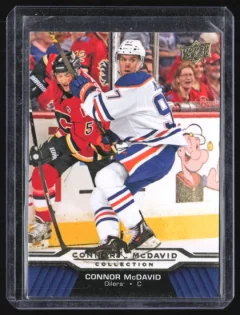
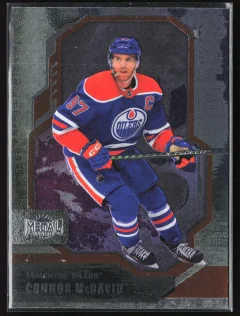
The primary appeal of modern cards is upside potential. A $50 rookie card of a promising young player could become worth $500 or $5,000 if that player becomes a superstar. Connor McDavid's rookie cards were affordable when he was drafted; now his Upper Deck The Cup rookie (limited to 99 copies) sells for over $100,000.
For Canadian collectors, the upside potential of modern hockey rookie cards is particularly compelling. Young Guns rookies from Upper Deck Series 1 and 2 are the standard hockey rookie cards, and they're accessible at reasonable prices. If you identify the next McDavid or Crosby before they break out, the returns can be extraordinary.
Accessibility
Modern cards are far more accessible than vintage cards. You can buy modern cards at local card shops, retail stores, online retailers, and through box breaks. The barrier to entry is low—a $20 blaster box or a $5 single can start your modern card collection.
Autographs and Memorabilia
Modern cards offer something vintage cards can't: autographs and game-used memorabilia. Pulling an autograph of your favourite player from a pack is an experience that vintage card collecting can't replicate. These hits also have significant value, particularly for star players.
Active Market and Liquidity
Modern cards have a much more active market than vintage cards. eBay has thousands of modern card listings at any given time, and platforms like COMC and CardSource.ca make buying and selling easy. If you need to sell a modern card quickly, you can usually find a buyer within days.
Risks of Modern Cards
- Overproduction: Modern card production runs are much larger than vintage. Even "limited" parallels with serial numbering (e.g., /99) are more common than vintage cards in comparable condition.
- Extreme volatility: Modern card values can crash quickly. A rookie card worth $200 can drop to $20 if the player underperforms, gets injured, or falls out of favour with collectors.
- Hype-driven pricing: Many modern card prices are driven by hype rather than fundamentals. When the hype fades, prices collapse.
- Product dilution: Manufacturers release dozens of products per sport per year, diluting the market and making it harder for any single product to maintain value.
- Player risk: Modern card values are tied to player performance. Injuries, scandals, or poor performance can devastate card values.
Head-to-Head Comparison
| Factor | Vintage Cards | Modern Cards |
|---|---|---|
| Scarcity | High (permanent supply) | Low (large print runs) |
| Price Stability | High | Low (volatile) |
| Upside Potential | Low (established values) | High (but risky) |
| Cost of Entry | High ($1,000+) | Low ($5–$50) |
| Liquidity | Lower (smaller buyer pool) | Higher (active market) |
| Counterfeit Risk | Higher | Lower |
| Emotional Appeal | Nostalgia, history | Current stars, hits |
| Storage/Insurance | More expensive | Less expensive |
A Balanced Approach: The Barbell Strategy
For Canadian collectors who want to balance risk and reward, consider a "barbell" investment approach:
Allocate 60–70% to Vintage/Established Cards
Invest the majority of your card budget in vintage cards or established modern cards with proven track records. These include:
- Vintage O-Pee-Chee hockey cards (pre-1990)
- Established superstar rookie cards (Gretzky, Lemieux, Orr)
- Key CFL vintage cards (1950s–1960s)
- High-grade examples of iconic sets
This portion of your collection provides stability and long-term appreciation with minimal downside risk.
Allocate 30–40% to Modern/Speculative Cards
Use a smaller portion of your budget for modern card speculation:
- Young Guns rookies of promising NHL players
- Base/parallel rookie cards of breakout MLB, NBA, and NFL players
- Autographs and memorabilia cards of rising stars
- Cards from Canadian-exclusive products (McDonald's, O-Pee-Chee)
This portion provides upside potential and the excitement of modern card collecting, while limiting your exposure to volatility.
Canadian-Specific Considerations
Exchange Rate Impact
Canadian collectors buying vintage cards from US-based sellers face a 30–35% premium due to the CAD-to-USD exchange rate. This makes vintage cards even more expensive for Canadians. Look for Canadian sellers on eBay, Canadian card shows, and Canadian card shops to avoid exchange rate costs.
Cross-Border Shipping
Shipping cards across the US-Canada border adds cost and complexity. Canadian collectors should prioritize domestic sources for both buying and selling. See our cross-border shipping guide for details.
Hockey Card Premium
In Canada, hockey cards command a premium compared to other sports. The Canadian collector base is heavily weighted toward hockey, which means vintage hockey cards (especially O-Pee-Chee) are more liquid and more valuable in the Canadian market than they are in the US market.
Undervalued Canadian Niches
CFL cards and Canadian-exclusive products (McDonald's hockey, O-Pee-Chee variants) are undervalued in the broader market but have strong appeal to Canadian collectors. These niches offer opportunities for Canadian collectors to acquire undervalued assets before the broader market discovers them.
Vintage vs Modern FAQ
Are vintage sports cards a better investment than modern cards?
Vintage cards generally offer more stability and lower risk, while modern cards offer higher upside potential but with greater volatility. For most collectors, a mix of both is the best approach. Vintage cards form the stable foundation of your collection, while modern cards provide growth potential and collecting excitement.
What is the best vintage card to buy for a Canadian collector?
For most Canadian collectors, vintage O-Pee-Chee hockey cards offer the best combination of historical significance, scarcity, and Canadian relevance. The 1979-80 O-Pee-Chee Wayne Gretzky rookie is the gold standard, but more affordable options like 1970s O-Pee-Chee sets and vintage CFL cards also offer strong potential.
Will modern cards ever become vintage?
Yes, but the overproduction of modern cards means most will never achieve the scarcity that drives vintage card values. Only cards with genuinely limited print runs (e.g., 1/1 cards, very low-numbered parallels) or cards featuring legendary players will achieve vintage-like appreciation over time.
How do I avoid buying counterfeit vintage cards?
Buy only graded vintage cards from PSA, BGS, SGC, or CGC. Grading provides authentication and condition certification. Buy from reputable dealers, check the grading company's certification number on their website, and read our guide to spotting fake graded slabs.
Should I sell my modern cards to buy vintage?
This depends on your collection and goals. If you have modern cards that have appreciated significantly, taking profits and reinvesting in vintage cards can be a smart move. However, if you believe in the long-term potential of your modern cards, holding may be the better strategy. Consider consulting with a knowledgeable card dealer or appraiser.
Conclusion
The vintage vs modern debate doesn't have a single right answer—it depends on your goals, budget, and risk tolerance. Vintage cards offer stability, historical significance, and permanent scarcity, making them the foundation of a serious collection. Modern cards offer excitement, accessibility, and upside potential, making them the growth engine of a collection.
For Canadian collectors, the unique dynamics of the Canadian market—strong hockey card demand, undervalued CFL cards, and Canadian-exclusive products—create opportunities on both sides of the vintage/modern divide. By understanding the strengths and risks of each approach and building a balanced collection, you can enjoy the hobby while building long-term value.
Whether you're looking for a vintage O-Pee-Chee Gretzky or a modern Young Guns rookie, browse our inventory to find your next great card.