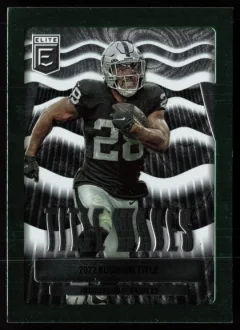
As card values have risen, so has the incentive to fake or alter cards. Here's how to protect yourself.
Common Types of Card Fraud
Fake cards — Reproductions of rare cards, often printed on different card stock. Very common with vintage cards and high-value modern autos.
Trimmed cards — Someone physically cuts the edges or corners of a damaged card to make it appear sharper. This is the most common form of alteration.
Washed cards — Vintage cards can be chemically 'cleaned' to remove staining, which also removes authenticity.
Re-backed cards — The back of a damaged card is replaced with a cleaner back from a common card of the same era.
Fake autographs — A signature added to a card that was never signed. Extremely common on raw cards marketed as autographs.
How to Spot Fakes
Card Stock
Genuine cards have a specific weight and feel. Fakes are often slightly thinner, lighter, or have a different texture. If you can compare side-by-side with a known genuine card, differences are usually obvious.
Printing Quality
Zoom in on the card under a loupe. Real cards have a consistent printing pattern. Fakes often show pixelation or colour banding under magnification.
Trimming
Measure the card. Standard modern cards are 2.5" × 3.5". A trimmed card will be slightly smaller. Even 1mm off is significant.
Autographs
Compare to authenticated examples. Check pen consistency, signature flow, and placement. Fake autos often look rushed or uncertain.
The Safest Protection: Buy Graded
PSA, BGS, and SGC all check for alterations. A genuine graded card from a reputable company is the safest way to buy high-value cards.
At Card Source Canada, all cards we sell are genuine. We stand behind every listing.